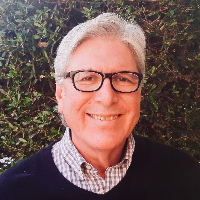
CA Psychologist 18143
Dr. Arthur Magana, CA Psychologist 18143
- Experience26 years
- LocationCalifornia
- Focus areasADHD, Stress and Anxiety, and Trauma and abuse
- Therapy approachesAttachment-Based Therapy and Client-Centered Therapy
Check the available next steps for working with Arthur online.
About Arthur
Dr. Arthur Magana brings a multi-modal, integrative approach to therapy that blends practical skill-building with attention to attachment and interpersonal meaning.
Background and approach
Dr. Magana draws on decades of clinical training and practice to tailor methods such as cognitive behavioral techniques and attachment-informed work to the specific concerns a person brings, including ADHD as one of the areas he focuses on.
His style emphasizes understanding emotional experience, identifying strengths, and supporting clients as they build more effective coping and relational patterns. Licensed in California as CA Psychologist 18143, he has worked across settings that include child protection, foster care and adoption, inpatient psychiatric units, and a specialty practice addressing bipolar spectrum concerns.
With 26 years of professional experience, he combines evidence-based interventions with a warm, humane presence and a willingness to use humor where helpful. He communicates in English and is comfortable working with international clients, offering video calls, phone sessions, live chat, and text-based messaging.
Prospective clients are invited to begin by selecting Start Therapy and completing a brief matching questionnaire to schedule sessions according to his availability.
Evidence-Informed Approaches for Online Care
Dr. Magana commonly integrates attachment-based therapy with cognitive behavioral therapy to guide online work. Attachment-based therapy explores how early and current relationship patterns shape feelings and behaviors and can be especially useful for intimacy, family-related, and abandonment concerns. Cognitive behavioral therapy (CBT) focuses on identifying unhelpful thoughts and building practical coping skills to reduce anxiety, manage mood symptoms, and address stress-related patterns.Choosing the right approach is treated as a collaborative process. The therapist will discuss goals, preferences, and what has or has not helped in the past to recommend techniques and adjust the plan over time so the work fits each person’s needs and pace.
Online sessions use video calls, phone sessions, live chat, or text-based messaging to offer flexibility for different lifestyles and comfort levels. These formats make it possible to access consistent care from California or abroad, fit therapy into a busy schedule, and practice skills between meetings with written or real-time support as appropriate.
Frequently asked questions
What kinds of concerns does he address?
What is his therapeutic style?
How long has he practiced clinically?
Where is he licensed and based?
Can sessions be conducted in other languages or internationally?
What session formats are available?
How are fees and scheduling handled?
What steps start the process of working together?
Areas of expertise
Primary focus
Also works with
Additional focus areas
Therapeutic approaches
Experience
26+ years
Licensed
California
Languages
English
What Arthur can help with
Dr. Arthur Magana works with clients on stress and anxiety, trauma and abuse, grief, parenting issues, and depression.
How Arthur approaches therapy
Arthur's clinical approaches include Attachment-Based Therapy, Client-Centered Therapy, Cognitive Behavioral Therapy (CBT), Dialectical Behavior Therapy (DBT), Existential Therapy, and Psychodynamic Therapy.
Experience and training
Arthur is a CA Psychologist 18143 practicing in California, with 26 years of clinical experience.
Arthur trained at the University of California, Antioch University, and the School of Professional Psychology in San Francisco.