LCSW
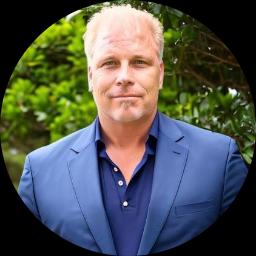
Christopher Korty, LCSW
- Experience20 years
- LocationNorth Carolina
- Focus areasADHD, Stress and Anxiety, and Relationship
- Therapy approachesCognitive Behavioral Therapy (CBT) and Dialectical Behavior Therapy (DBT)
Check the available next steps for working with Christopher online.
About Christopher
Christopher Korty is a licensed clinical social worker (LCSW) practicing in North Carolina with two decades of professional experience. He focuses on helping people navigate stress, anxiety, depression, trauma and abuse, relationship and family struggles, anger and impulsivity, addiction-related concerns, grief, and ADHD among other challenges.
Background and approach
His practice also addresses issues like self-esteem, intimacy, eating concerns, parenting difficulties, career transitions, and compassion fatigue. Korty emphasizes a respectful, sensitive, and compassionate therapeutic stance, shaping conversations and treatment plans around each person’s specific needs.
He draws from evidence-based methods such as Cognitive Behavioral Therapy, Dialectical Behavior Therapy, and Motivational Interviewing to offer practical skills, emotional regulation tools, and motivation-focused strategies. The intent is to support meaningful change while honoring the client’s pace and goals.
Clients can expect collaborative work aimed at clarifying priorities, building coping resources, and finding more satisfying ways of relating to themselves and others. Korty frames the decision to pursue therapy as a courageous step and positions himself as a supportive partner in the process of growth and recovery.
Evidence-Based Approaches Offered Online
Christopher Korty uses approaches such as Cognitive Behavioral Therapy and Dialectical Behavior Therapy to address emotional and behavioral concerns in online sessions. CBT focuses on identifying and changing unhelpful thinking patterns and behaviors, offering structured strategies for anxiety, depression, and stress-related problems. DBT teaches skills for emotion regulation, distress tolerance, and interpersonal effectiveness, which can be helpful for intense emotions, impulsivity, and relationship challenges.Choosing the right approach is part of the therapeutic work and will be decided collaboratively. The therapist will discuss goals, preferences, and the nature of the presenting concerns to adapt methods that fit the client’s needs and pace, and may combine elements of different approaches as appropriate.
Online therapy is offered through video calls, phone sessions, live chat, and text-based messaging to provide flexibility and accessibility. These options allow clients to engage from different settings, make scheduling easier around work or family commitments, and support ongoing practice of skills between sessions with timely contact when needed.
Frequently asked questions
What concerns does he commonly support?
What is his therapeutic style like?
How much clinical experience does he have?
What credentials and location are listed?
Does he work with non-English speakers or international clients?
Which session formats are available?
How are fees and payments handled?
What are the steps to begin working together?
Areas of expertise
Primary focus
Also works with
Additional focus areas
Therapeutic approaches
Experience
20+ years
Licensed
North Carolina
Languages
English