LPC
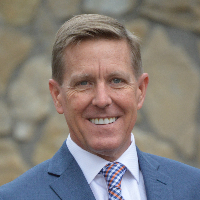
David Yoder, LPC
- Experience6 years
- LocationMissouri
- Focus areasADHD, Stress and Anxiety, and Addictions
- Therapy approachesClient-Centered Therapy and Cognitive Behavioral Therapy (CBT)
Check the available next steps for working with David online.
About David
David Yoder is a Licensed Professional Counselor (LPC) with six years of clinical experience who centers his work in a person-centered way while drawing on structured methods when helpful.
Background and approach
He describes counseling as an art and aims to help clients clarify the values and life picture they want, meeting people where they are and adapting tools to each individual’s unique situation.
David’s background includes focused work with fear-based concerns such as stress, anxiety, depression, addiction, major life transitions, and relationship challenges, and he often integrates practices that support emotional regulation and coping. Alongside a core Client-Centered approach, David makes use of cognitive-behavioral strategies and dialectical behavior techniques among other modalities to tailor treatment to the client’s goals.
He also brings experience with issues that commonly co-occur with mood and impulse concerns, including grief, trauma, ADHD, and family-of-origin dynamics. Based in Missouri and offering sessions in English, he combines empathy with practical skills to help clients build sustainable coping patterns and pursue clearer direction in life.
Integrating Person-Centered Care with Practical Online Tools
Client-Centered Therapy focuses on creating a respectful, nonjudgmental space where the client’s perspective guides the work; this approach helps people explore values, clarify goals, and feel understood as they make changes. Cognitive Behavioral Therapy (CBT) emphasizes identifying and adjusting unhelpful thinking and behavior patterns, offering concrete strategies for anxiety, depression, and impulse-related difficulties. Dialectical Behavior Therapy (DBT) provides skills for emotion regulation, distress tolerance, and interpersonal effectiveness, which can be useful when strong emotions or impulsivity interfere with daily life.
Finding the right therapeutic approach is part of the collaborative process. The therapist will work with each client to decide which combination of person-centered support and structured techniques best matches their needs, goals, and preferences rather than applying a single method universally.
Online sessions are offered via video calls, phone sessions, live chat, and text-based messaging to provide flexibility for varying schedules and comfort levels. These formats make it easier to fit counseling into busy lives, maintain continuity through transitions, and access consistent support from licensed professionals regardless of geographic constraints.
Frequently asked questions
What kinds of concerns does he address?
What is his therapeutic style like?
How much clinical experience does he have?
Where is he licensed and practicing?
Which languages are used in sessions and can international clients join?
What session formats are available?
How are sessions billed and what does cost look like?
How do I begin working together?
Areas of expertise
Primary focus
Also works with
Additional focus areas
Therapeutic approaches
Experience
6+ years
Licensed
Missouri
Languages
English
What David can help with
David Yoder works with clients on stress and anxiety, addictions, relationship issues, self esteem, and coping with life changes.
How David approaches therapy
David's clinical approaches include Client-Centered Therapy, Cognitive Behavioral Therapy (CBT), Dialectical Behavior Therapy (DBT), Existential Therapy, Hypnotherapy, Mindfulness Therapy, Motivational Interviewing, and Narrative Therapy.
David uses DBT and CBT.
Experience and training
David is a Licensed Professional Counselor practicing in Missouri, with 6 years of clinical experience.