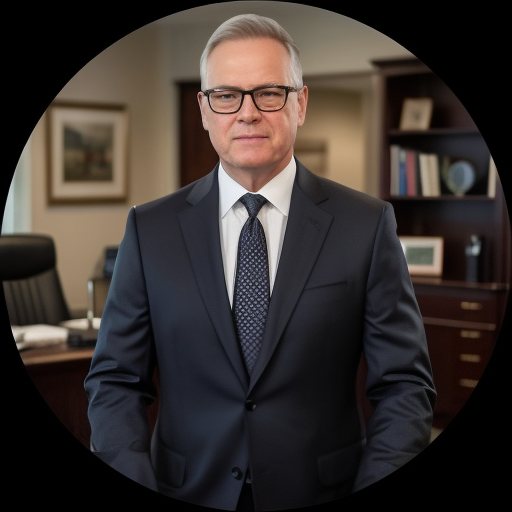
LPC-MHSP
Dr. Edward Varner, LPC-MHSP
- Experience30 years
- LocationTennessee
- Focus areasADHD, Relationship, and Trauma and abuse
- Therapy approachesAcceptance and Commitment Therapy (ACT) and Attachment-Based Therapy
- LanguagesEnglish and Japanese
Check the available next steps for working with Edward online.
About Edward
Dr. Edward Varner is a licensed practitioner in Tennessee with three decades of clinical experience.
Background and approach
He draws on that background to support people facing depression, relationship struggles, trauma recovery, and a wide range of life transitions. His work often centers on helping clients develop healthier coping strategies, stronger self-regard, and clearer communication patterns.
Using a blend of evidence-based and relational methods, he combines cognitive and behavioral tools with approaches that explore attachment and personal meaning. This mix aims to address mood disorders, intimacy-related concerns, stress and anxiety, ADHD, and other intersecting issues such as eating concerns, substance use, and grief.
He also attends to complex presentations that involve co-morbidity, dissociation, and family of origin dynamics. Dr.
Varner practices with a thoughtful, person-focused stance informed by his values and long experience. English and Japanese speakers can find support, and he accepts international clients.
His work balances practical skill-building with attention to each client’s unique history and goals, helping people move toward clearer direction and greater resilience.
Therapeutic approaches and how online work supports them
Acceptance and Commitment Therapy (ACT) helps clients clarify personal values and take committed action even when difficult thoughts or feelings arise; it is useful for anxiety, depression, and life transitions where choosing meaningful direction matters. Cognitive Behavioral Therapy (CBT) focuses on identifying and shifting unhelpful thinking and behavior patterns to reduce symptoms of mood and anxiety disorders and improve coping skills. Attachment-Based Therapy examines relational patterns that influence current difficulties and can be helpful for intimacy issues, communication problems, and family of origin concerns.Choosing the right approach is a collaborative process. The therapist will work with each person to assess needs, goals, and preferences and then invite a tailored plan that may draw on ACT, CBT, attachment work, or complementary strategies. Adjustments are made over time to find what helps most for the client’s situation.
Online sessions provide practical flexibility through video calls, phone sessions, live chat, or text-based messaging, making it easier to fit therapy into busy schedules and to maintain continuity during life changes. These formats support ongoing skill practice, regular check-ins, and access to licensed professionals from different locations, helping people pursue consistent progress without geographic barriers.
Frequently asked questions
What kinds of concerns does this therapist address?
How would you describe the therapeutic approach and style?
What background and experience does the therapist have?
Which credentials and location are listed for this therapist?
Are sessions offered in other languages or to international clients?
What session formats are available for online work?
How is cost handled for sessions?
What are the first steps to begin working together?
Areas of expertise
Primary focus
Also works with
Additional focus areas
Therapeutic approaches
Experience
30+ years
Licensed
Tennessee
Languages
English, Japanese