LCMHC
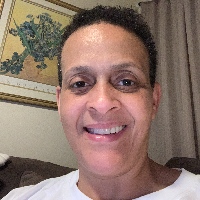
Eugenia Davis, LCMHC
- Experience22 years
- LocationNorth Carolina
- Focus areasADHD, Stress and Anxiety, and Addictions
- Therapy approachesClient-Centered Therapy and Cognitive Behavioral Therapy (CBT)
Check the available next steps for working with Eugenia online.
About Eugenia
Eugenia Davis brings more than two decades of clinical experience to her counseling practice, grounded in a Master of Science in Mental Health Counseling earned in 1999 and early recognition by Chi Sigma Iota.
Background and approach
She holds the LCMHC credential in North Carolina (NC LCMHC 9235) and has worked extensively with clients facing mood disorders, psychosis, personality challenges, substance use concerns, and a wide range of life stressors. Her background includes work across diverse settings, including foster care, correctional environments, and services for clients across the lifespan.
Her approach emphasizes collaboration and client agency, helping people identify their own strengths and view problems from alternative perspectives. She combines client-centered listening with evidence-informed techniques to support coping, symptom reduction, and clearer decision making.
Eugenia frames therapy as a process in which the client’s insights and resilience are central, and she offers practical guidance while serving as an objective, steady voice to help clients consider new options and move forward.
Therapeutic approaches and how they work online
Client-centered therapy focuses on listening, empathy, and supporting a person’s own problem-solving abilities; it helps people feel heard and encourages self-directed change. Cognitive Behavioral Therapy (CBT) looks at the relationships between thoughts, feelings, and behaviors and uses practical strategies to reduce distress and build new skills. Emotionally-Focused Therapy (EFT) concentrates on emotions and attachment patterns to improve closeness and emotional processing in relationships.Deciding which approach to use is a collaborative process. The therapist will discuss goals, preferences, and current needs during early sessions and may blend elements from these methods to create a tailored plan that shifts as progress is made.
Online therapy with video calls, phone sessions, live chat, or text-based messaging offers flexibility for scheduling and lets clients engage from different locations. These options make it easier to maintain continuity of care around work, family, or other commitments while accessing licensed professionals who draw on client-centered work, CBT, and EFT in their practice.
Frequently asked questions
What concerns does she commonly address?
What is her therapeutic style like?
How much experience does she have?
What credentials and location are listed?
Which languages are available for sessions?
What session formats are offered?
How are fees and scheduling handled?
How do I begin working with her?
Areas of expertise
Primary focus
Also works with
Additional focus areas
Therapeutic approaches
Experience
22+ years
Licensed
North Carolina
Languages
English
What Eugenia can help with
Eugenia Davis works with clients on stress and anxiety, addictions, relationship issues, family conflicts, and depression.
Eugenia works with substance abuse clientele.
Eugenia works with clientele with chronic mental illnesses, psychosis, and personality disorders.
How Eugenia approaches therapy
Eugenia's clinical approaches include Client-Centered Therapy, Cognitive Behavioral Therapy (CBT), Emotionally-Focused Therapy (EFT), Mindfulness Therapy, Motivational Interviewing, Psychodynamic Therapy, and Solution-Focused Therapy.
Experience and training
Eugenia is a Licensed Clinical Mental Health Counselor practicing in North Carolina, with 22 years of clinical experience.
Eugenia has been a member of the American Mental Health Counselors Association (AMHCA).