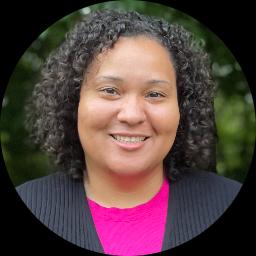
LCSW
LaShonda "Ann" Aycock, LCSW
- Experience10 years
- LocationNorth Carolina
- Focus areasADHD, Stress and Anxiety, and Relationship
- Therapy approachesClient-Centered Therapy and Cognitive Behavioral Therapy (CBT)
Compare available online therapy options and next steps.
About LaShonda
LaShonda "Ann" Aycock practices from a foundation of client-centered care that emphasizes collaboration and practical strategies.
Background and approach
As an LCSW with 10 years of experience in North Carolina, she blends evidence-based methods like cognitive behavioral therapy and solution-focused techniques with motivational interviewing and mindfulness to help clients build clarity, resilience, and day-to-day coping skills. She frames therapy as a partnership focused on identifying strengths and creating concrete tools that support meaningful change.
Ann works with people facing a wide range of concerns, including stress, anxiety, depression, trauma and abuse, addictions, relationship and intimacy-related issues, grief, self-esteem challenges, bipolar disorder, and ADHD. Her practice also addresses additional areas such as adoption and foster care matters, caregiver stress, blended family dynamics, body image, and substance use.
Sessions are tailored to each person’s preferences and life context so that interventions fit real-world goals and circumstances. Clients can expect a respectful, compassionate approach where practical solutions and personal values guide progress.
Ann emphasizes sensitivity, active listening, and measurable steps toward clients’ priorities, supporting change with empathy and professional experience.
Approaches That Guide Online Sessions
The practice draws on cognitive behavioral therapy and mindfulness therapy to address thoughts, behaviors, and present-moment awareness. CBT focuses on identifying unhelpful thinking patterns and developing practical skills to manage symptoms like anxiety, depression, or impulsive behaviors. Mindfulness therapy introduces attention and acceptance practices that can reduce reactivity and support emotional regulation in day-to-day life.Finding the right approach is part of the collaborative process. The therapist will work with each person to explore which methods fit their needs, goals, and preferences, adjusting techniques over time so the work remains relevant and effective for the individual.
Online therapy options include video calls, phone sessions, live chat, and text-based messaging, offering flexibility for different schedules and comfort levels. These formats make it easier to receive ongoing support from a licensed professional without travel, and they allow therapeutic tools and check-ins to be integrated into everyday routine for consistent progress.
Frequently asked questions
What kinds of concerns does this therapist address?
How would you describe the therapeutic style?
What is Ann’s professional background?
What credentials and location are listed?
Does she work with clients in other languages or internationally?
Which session formats are offered?
How are costs handled for sessions?
What are the first steps to begin working together?
Areas of expertise
Primary focus
Also works with
Additional focus areas
Therapeutic approaches
Experience
10+ years
Licensed
North Carolina
Languages
English