LCMHC
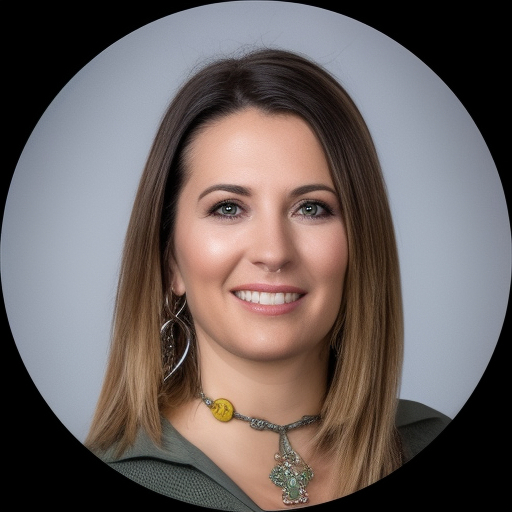
Monica Rawlings, LCMHC
- Experience10 years
- LocationUtah
- Focus areasADHD, Stress and Anxiety, and Addictions
- Therapy approachesAttachment-Based Therapy and Client-Centered Therapy
Check the available next steps for working with Monica online.
About Monica
Monica Rawlings is a licensed mental health counselor who focuses on helping people manage stress, anxiety, depression, addiction, trauma, relationship struggles, and ADHD. She centers care on compassion and meeting clients where they are, supporting practical coping and emotional processing while honoring each person’s values and identity.
Background and approach
Monica emphasizes collaboration and helps clients develop self-awareness, improved communication, and more adaptive ways of relating to themselves and others. Her practice addresses a wide range of concerns including grief, body image, attachment challenges, workplace stress, and major life transitions such as divorce or midlife shifts.
Monica also brings sensitivity to the experiences of neurodivergent and LGBTQ+ clients and integrates evidence-based techniques to foster resilience and meaningful change.
With ten years of clinical experience and the LCMHC credential in Utah, she aims to create an affirming, nonjudgmental therapeutic space where clients can explore self-love, purpose, and healthier patterns at a pace that feels right for them.
Therapeutic approaches and how they work online
Monica uses approaches such as Cognitive Behavioral Therapy (CBT) and Attachment-Based Therapy to guide online work. CBT focuses on identifying and shifting unhelpful thinking and behavior patterns, which can help with anxiety, depression, and managing symptoms related to ADHD. Attachment-Based Therapy explores relational patterns formed early in life and how they influence current relationships, offering strategies to improve connection, communication, and emotional regulation.Finding the right approach is part of the therapeutic process. The therapist collaborates with each client to determine which methods best fit their goals, needs, and preferences, adjusting techniques over time to support progress and comfort in sessions.
Online therapy offers practical flexibility through video calls, phone sessions, live chat, and text-based messaging, making it easier to schedule consistent meetings and access support from different locations. These formats allow clients to engage with licensed professionals in ways that suit their daily routines while working on stress, trauma, relationship concerns, ADHD-related challenges, and other difficulties using evidence-informed strategies.
Frequently asked questions
What issues does Monica commonly address in sessions?
How would you describe her therapeutic style?
What is her clinical background and experience?
Where is Monica licensed and what credential does she hold?
Can people who live outside the United States work with her?
What session formats are available for working together?
How are fees and payment handled for sessions?
What steps are involved in beginning therapy with her?
Areas of expertise
Primary focus
Also works with
Additional focus areas
Therapeutic approaches
Experience
10+ years
Licensed
Utah
Languages
English
What Monica can help with
Monica Rawlings works with clients on stress and anxiety, addictions, relationship issues, trauma and abuse, and depression.
Monica works with clients navigating depression, anxiety, stress, trauma, addiction, and relationship concerns.
Monica works with people exploring self-love, communication, isolation, and life purpose.
Monica works with clients facing grief, body image concerns, attachment issues, workplace stress, and major life transitions like divorce or midlife changes.
Monica works with clients managing panic attacks, OCD, PTSD, or processing past trauma and abuse.
How Monica approaches therapy
Monica's clinical approaches include Attachment-Based Therapy, Client-Centered Therapy, Cognitive Behavioral Therapy (CBT), Dialectical Behavior Therapy (DBT), Existential Therapy, Eye Movement Desensitization and Reprocessing (EMDR), Gottman Method, and Mindfulness Therapy.
Experience and training
Monica is a Licensed Clinical Mental Health Counselor practicing in Utah, with 10 years of clinical experience.