LMFT
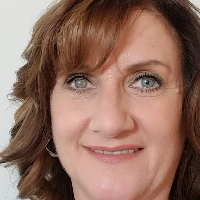
Phyllis Smith, LMFT
- Experience5 years
- LocationNorth Carolina
- Focus areasADHD, Stress and Anxiety, and Relationship
- Therapy approachesClient-Centered Therapy and Cognitive Behavioral Therapy (CBT)
Check the available next steps for working with Phyllis online.
About Phyllis
Phyllis Smith is an LMFT who brings a collaborative, strengths-based approach to therapy. With five years of clinical experience, she emphasizes helping clients build resilience by drawing on their existing strengths and life resources.
Background and approach
Her style is grounded in genuine curiosity about clients' goals and aspirations, and she works alongside them to identify practical steps toward improved mental and emotional wellness. Phyllis integrates a systems perspective that views individuals within the context of their relationships and environments.
She adapts methods to each person's needs, combining client-centered listening with evidence-informed techniques to challenge unhelpful patterns in a supportive way. Her practice addresses a wide range of concerns, including stress, anxiety, relationship and family difficulties, parenting, depression, addictions, trauma and abuse, grief, bipolar disorder, ADHD, and related areas such as attachment and communication problems.
Based in North Carolina and licensed as NC LMFT 1905, she offers care in English and provides sessions through video calls, phone, live chat, or text-based messaging. Phyllis asks prospective clients to complete a short matching questionnaire and schedule according to her availability to begin a collaborative process toward their goals.
How therapeutic approaches translate to online care
Client-Centered Therapy is rooted in empathetic listening and collaboration; it focuses on understanding each person's perspective and building a trusting relationship that supports personal growth. Cognitive Behavioral Therapy (CBT) offers structured techniques to identify and change unhelpful thoughts and behaviors, which can be especially useful for addressing anxiety, depression, stress, and ADHD-related coping strategies. Mindfulness Therapy helps clients develop present-moment awareness and stress regulation skills that support emotional balance and resilience.
Choosing an approach is part of the therapeutic work. Phyllis collaborates with clients to determine which methods best match their goals, needs, and preferences, and she may combine elements from different models as progress unfolds. The aim is to tailor interventions so they feel useful and attainable for each person.
Online formats such as video calls, phone sessions, live chat, and text-based messaging make it easier to fit therapy into busy schedules and to continue care from home. These options offer flexibility in how and when clients engage, allowing for ongoing support, homework review, skill practice, and check-ins in ways that align with each client's life and goals.
Frequently asked questions
What kinds of concerns does Phyllis address?
What is her therapeutic style like?
How much clinical experience does she have?
Where is she licensed and practicing?
Which languages are offered and can international clients join?
What session formats are available?
How is cost handled for sessions?
How do I begin working with her?
Areas of expertise
Primary focus
Also works with
Additional focus areas
Therapeutic approaches
Experience
5+ years
Licensed
North Carolina
Languages
English
What Phyllis can help with
Phyllis Smith works with clients on stress and anxiety, relationship issues, family conflicts, parenting issues, and depression.
Phyllis works with a diverse population in regard to age, gender, race, ethnicity, sexual orientation, gender identity, and other diversity factors.
How Phyllis approaches therapy
Phyllis's clinical approaches include Client-Centered Therapy, Cognitive Behavioral Therapy (CBT), Existential Therapy, Gottman Method, Mindfulness Therapy, and Solution-Focused Therapy.
Experience and training
Phyllis is a Licensed Marriage and Family Therapist practicing in North Carolina, with 5 years of clinical experience.