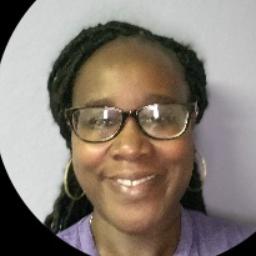
LCSW
Shanda Hope, LCSW
- Experience26 years
- LocationFlorida
- Focus areasADHD, Stress and Anxiety, and Trauma and abuse
- Therapy approachesAcceptance and Commitment Therapy (ACT) and Client-Centered Therapy
Check the available next steps for working with Shanda online.
About Shanda
Shanda Hope is a Florida-licensed LCSW who brings 26 years of clinical experience to therapy focused on stress, anxiety, trauma and abuse, depression, anger, self-esteem, relationship and family concerns, grief, parenting, bipolar disorder, and ADHD.
Background and approach
She approaches each person as the authority on their own life, drawing on clients' existing strengths to guide change and build resilience. Her work reflects a belief that seeking help is a courageous step toward a more satisfying life, and she aims to support and empower people as they pursue that change.
Her practice blends evidence-based strategies with a collaborative, respectful stance. Techniques from cognitive behavioral therapy and dialectical behavior therapy are used alongside mindfulness and acceptance-oriented methods to address both thoughts and emotions.
For clients navigating relationship stress, elements of the Gottman Method and client-centered listening are incorporated to improve communication and connection. Shanda frames goals with each person and adapts interventions to fit their values, needs, and pace, offering practical skills and compassionate guidance throughout treatment.
Evidence-Based Methods for Online Care and Skill Building
Acceptance and Commitment Therapy (ACT) encourages people to clarify personal values and take committed steps toward them while learning to relate differently to difficult thoughts and feelings, which can help with anxiety, depression, and life transitions. Cognitive Behavioral Therapy (CBT) focuses on identifying and changing unhelpful thought patterns and behaviors through structured strategies and homework, often useful for stress, mood symptoms, and problem-solving. Dialectical Behavior Therapy (DBT) blends skills training in emotion regulation, distress tolerance, and interpersonal effectiveness, offering concrete tools for managing intense emotions and improving relationships.Finding the right approach is collaborative; the therapist works with each person to determine which methods fit their goals, preferences, and circumstances. Treatment plans are shaped by client priorities and may draw from one or more of these approaches so that techniques match the presenting concerns and the pace the client prefers.
Online therapy offers flexible access through video calls, phone sessions, live chat, or text-based messaging, making it easier to fit sessions into busy schedules and to continue work across locations. These formats support ongoing skill practice between meetings and allow licensed professionals to deliver structured interventions and compassionate support remotely.
Frequently asked questions
What concerns does this therapist commonly address?
How would you describe the therapeutic style used?
What is the clinician's professional background?
What credentials and location are listed for this therapist?
Are sessions available in languages other than English or to international clients?
Which session formats are offered for remote care?
How are costs and payment handled?
What are the first steps to begin therapy?
Areas of expertise
Primary focus
Additional focus areas
Therapeutic approaches
Experience
26+ years
Licensed
Florida
Languages
English