LCSW-R
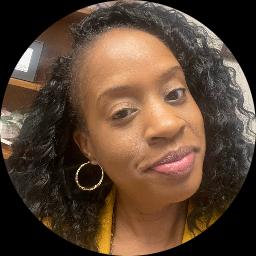
Shatina Barr, LCSW-R
- Experience14 years
- LocationNew York
- Focus areasADHD, Family, and Trauma and abuse
- Therapy approachesTrauma-Focused Therapy
Check the available next steps for working with Shatina online.
About Shatina
Shatina Barr is a licensed clinical social worker who brings 14 years of experience to her practice in New York. She centers her work on trauma-focused approaches while helping people navigate depression, low self-esteem, family conflict, and ADHD-related concerns.
Background and approach
Her clinical background includes training in EMDR, and she aims to create an open environment where clients can explore difficult feelings and build clearer coping strategies. In sessions she supports exploration of attachment patterns, communication struggles, caregiver stress, and issues such as guilt, shame, and impulsivity.
Shatina also addresses isolation, life purpose, and women's issues while attending to mood and post-traumatic stress symptoms. She emphasizes collaboration and practical tools so clients can practice new skills between meetings and track gradual change.
Beginning therapy can feel challenging, and Shatina encourages prospective clients to recognize that taking the first step is meaningful. Her approach blends trauma-focused techniques with a calm, strengths-oriented stance aimed at helping individuals make sustainable progress toward their goals.
Trauma-informed Care Online and Practical Support
Trauma-Focused Therapy in her practice involves carefully addressing the ways past hurt affects present-day thoughts, feelings, and relationships. It uses structured, evidence-informed techniques to help individuals process traumatic experiences and reduce symptom impact, which can be useful for people dealing with post-traumatic stress, complex reactions to abuse, and related mood concerns.
EMDR-informed methods, which she has training in, use guided recall and structured processing to help the brain reframe distressing memories and reduce their intensity. These interventions are often paired with grounding and coping skills to support stabilization and everyday functioning.
Finding the best therapeutic approach is a collaborative process. The therapist will work with each person to identify goals, preferences, and comfort with different techniques, adjusting methods as trust and progress develop. This mutual planning helps tailor sessions to what feels most helpful for the individual's needs.
Online formats - including video calls, phone sessions, live chat, and text-based messaging - offer scheduling flexibility and make it easier to access care from home or work. These options can support consistent engagement, allow for different communication styles, and make follow-up between sessions more accessible while accommodating busy lives.
Frequently asked questions
What kinds of concerns does this therapist commonly address?
What is the therapist's general approach or style?
How much professional experience does the therapist have?
What credentials and location are listed for this clinician?
Is therapy offered in languages other than English or to international clients?
Which session formats are available for working together?
How is cost handled for sessions with this clinician?
What are the first steps to begin therapy with this clinician?
Areas of expertise
Primary focus
Additional focus areas
Therapeutic approaches
Experience
14+ years
Licensed
New York
Languages
English