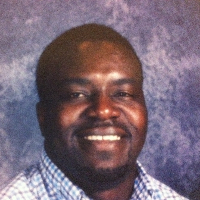
LCMHC
Timothy Pittman, LCMHC
- Experience20 years
- LocationNorth Carolina
- Focus areasADHD, Stress and Anxiety, and Addictions
- Therapy approachesClient-Centered Therapy and Cognitive Behavioral Therapy (CBT)
Check the available next steps for working with Timothy online.
About Timothy
Timothy Pittman is a licensed clinical mental health counselor (LCMHC) with two decades of experience supporting people facing a wide range of challenges. He draws on established, evidence-informed methods to help clients untangle persistent patterns related to anxiety, depression, bipolar disorder, addiction, grief, trauma, relationship struggles, and ADHD.
Background and approach
His work emphasizes building trust, listening actively, and helping clients make practical changes that improve daily functioning. In sessions he explores how past experiences shape current responses, identifies unhelpful or rigid beliefs, and partners with clients to develop healthier ways of thinking and behaving.
Timothy blends client-centered sensitivity with problem-focused strategies so therapy addresses both emotions and concrete skills. He also integrates motivational interviewing to increase readiness for change and solution-focused techniques to set clear, achievable goals.
Timothy’s practice is based in North Carolina and he offers services in English. His approach is collaborative and aims to help people increase self-esteem, modify harmful behaviors, and navigate life transitions with clearer coping tools and greater confidence.
Therapeutic Approaches for Online Work and Practical Change
Timothy commonly uses client-centered therapy and cognitive behavioral therapy to guide online sessions. Client-centered therapy focuses on empathic listening, unconditional regard, and helping clients express and understand their feelings so they can make choices aligned with their values. Cognitive behavioral therapy helps people identify and shift unhelpful thoughts and behaviors, which is useful for anxiety, depression, insomnia, and patterns linked to ADHD.Choosing the right approach is a collaborative process. He will work with each person to identify goals, preferences, and the specific challenges they want to address, then adapt techniques from different modalities to fit those needs. This means therapy can emphasize emotion-focused support, practical skill-building, or a mix of both depending on what helps the client progress.
Online formats include video calls, phone sessions, live chat, and text-based messaging, offering flexibility for busy schedules and different comfort levels with communication. These options make it possible to maintain continuity of care and access therapeutic support from locations across North Carolina while tailoring session style to what works best for the individual.
Frequently asked questions
What kinds of concerns does Timothy address in therapy?
What is Timothy's general therapeutic style?
How much clinical experience does he bring?
What are his credentials and where is he located?
Does he provide services in other languages or to international clients?
Which session formats are available for appointments?
How are costs and billing handled for sessions?
What steps are involved in beginning therapy with him?
Areas of expertise
Primary focus
Also works with
Additional focus areas
Therapeutic approaches
Experience
20+ years
Licensed
North Carolina
Languages
English
What Timothy can help with
Timothy Pittman works with clients on stress and anxiety, addictions, LGBT, bipolar disorder, and depression.
Timothy has worked with clients with needs ranging from depression, anxiety, bipolar disorder, and substance abuse issues.
How Timothy approaches therapy
Timothy's clinical approaches include Client-Centered Therapy, Cognitive Behavioral Therapy (CBT), Motivational Interviewing, and Solution-Focused Therapy.
Experience and training
Timothy is a Licensed Clinical Mental Health Counselor practicing in North Carolina, with 20 years of clinical experience.